







Search Results for: Richard Blechynden
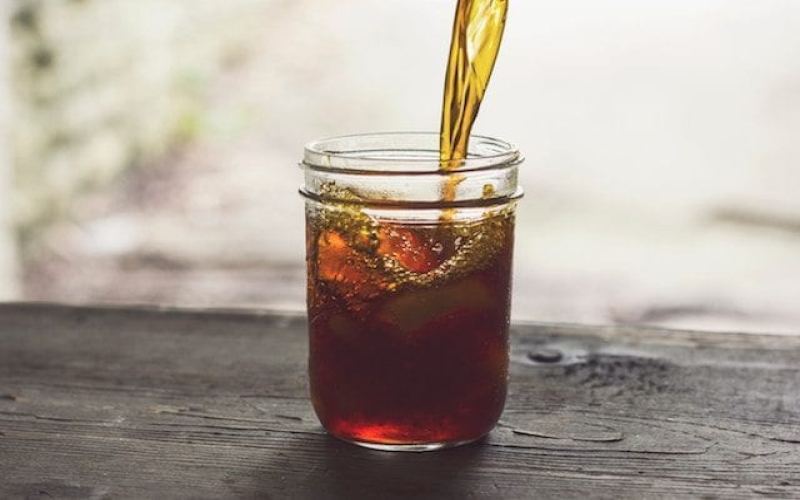
Exploring the Origins of Iced Tea: The Complete History and Brewing Tips from the 1904 World's Fair to American Sweet Tea
Iced tea is now one of the most popular beverages in the world, but its origins are far more convoluted than one might imagine. Americans drink over 2.2 billion gallons of tea each year, 80 percent of it iced. When exactly was this refreshing drink born? At the 1904 St. Louis World's Fair, how did tea merchant Richard Blechynden make iced Indian black tea an instant sensation? And long before that, sweet tea was already popular in the American South, with recipes dating back to an 1839 cookbook. This article traces the complete story of iced tea, from hot tea poured over ice to a fast-food staple, and includes key tips for making delicious iced tea at home, along with Front Street Coffee's selection recommendations, so you can easily recreate a professional-grade glass of iced tea. [more…]

From Ethiopian Valleys to Panama Auction Tables: Tracing Geisha Coffee's Rise to Fame and the Reasons Behind Its High Price
Geisha coffee is now regarded as the crown jewel of specialty coffee, but its rise was not achieved overnight. From 1936, when the Englishman Richard Whalley collected seeds in the Geisha Mountains of Ethiopia, Geisha's footprint successively reached Kenya, Tanzania, and Costa Rica, and was finally brought to Panama in 1960 by Don Pachi Serracin. Before 2004, Geisha was long interplanted with other varieties, grown at low altitudes, and had never displayed its own flavor as a single variety. It was not until Daniel Peterson of Hacienda La Esmeralda presented an unblended Geisha in the Best of Panama green bean competition that this bean won first place in one stroke, with a bid price of only $21 per pound at the time. After that, the market crisis triggered by the collapse of the International Coffee Agreement in 1989, together with the push of the specialty coffee wave after the founding of the SCAA, jointly propelled Geisha onto the legendary stage. This article will sort out this historical thread and explain why Geisha prices remain persistently high. [more…]
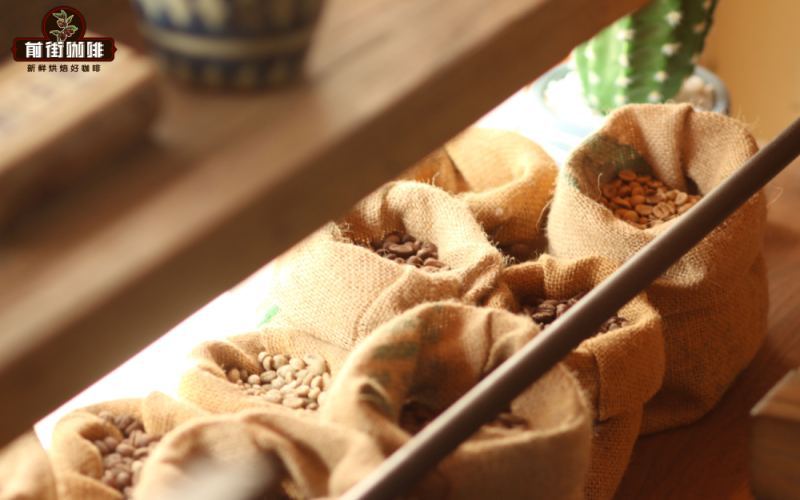
Jamaica Blue Mountain No. 1 Coffee Beans: Grade Classification and Pour-Over Flavor Explained
Blue Mountain coffee is one of the first top-tier coffees many coffee lovers hear about, yet few truly understand its grading standards and the story of its growing region. The Jamaica Coffee Board classifies coffee into three grades—Blue Mountain, Mountain, and Premium—based on growing elevation. Among these, Blue Mountain No. 1 coffee beans must reach a screen size of 17/18 and have a defect rate below 2%, making their yield scarce. This article will walk you through the origins of Blue Mountain coffee, its strict grading system, the history of Clifton Estate, and the medium-dark roast pour-over parameters and flavor profile recommended by Front Street Coffee, helping you identify authentic Blue Mountain No. 1 coffee beans. [more…]
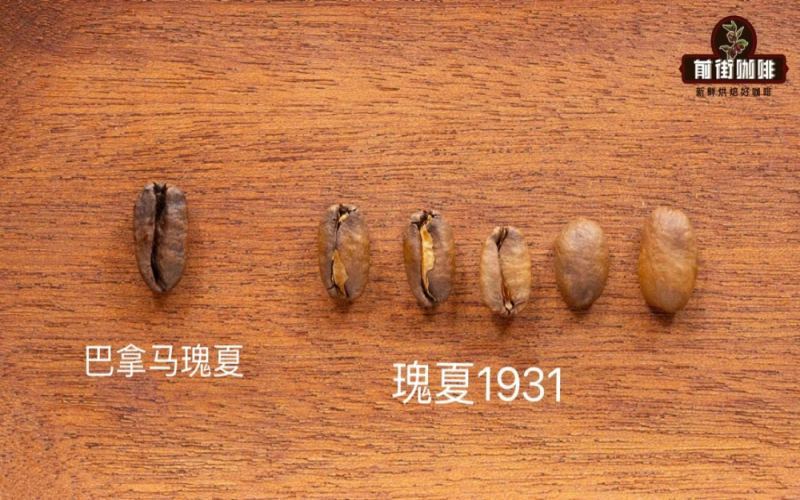
Unraveling the Origins of the BOP Champion Geisha: The Varietal Legend from Ethiopia's Gesha Forest to Panama's T2722
Geisha is the most renowned specialty coffee variety after Blue Mountain, and it is also the priciest signature treasure of many cafés. Yet beans sold under the Geisha name can differ wildly in flavor. This article begins with the 2004 BOP competition, tracing Geisha's complete journey from the Gesha forest in Ethiopia to Kenya, Tanzania, and Costa Rica, before it finally shone at Hacienda La Esmeralda in Panama. It explains the origin of the key designation T2722 and answers why Geisha from Ethiopia and Costa Rica tastes noticeably different from Panama's. Front Street Coffee helps you understand the varietal truth behind sky-high Geisha in one article. [more…]
A Comprehensive Analysis of Jamaican Blue Mountain Coffee: Origins, Grading, and Pour-Over Parameters
In the specialty coffee wave, Geisha is currently all the rage, but when it comes to historical status and public recognition, Jamaica Blue Mountain is always a name that cannot be avoided. This coffee, once repeatedly mentioned in Hong Kong and Taiwan dramas, what exactly made it the king in the hearts of a generation? This article starts with the terroir conditions of the Blue Mountain producing region, sorts out the historical context of the Typica variety's introduction to Jamaica, explains in detail the grading system of the Jamaica Coffee Industry Board based on altitude and screen size, and introduces the business story of Clifton Mount Estate. Finally, Front Street Coffee will disclose the pour-over extraction recipe for Blue Mountain No. 1, including dripper selection, water temperature, coffee-to-water ratio, and pouring rhythm, to take you back to that classic flavor with balanced acidity, sweetness, and bitterness, as silky as cream. [more…]
Jamaica Blue Mountain No. 1 Coffee Bean Grade Analysis: Flavor Characteristics of Clydesdale Estate Blue Mountain Coffee
Jamaican Blue Mountain No. 1 coffee beans are widely recognized as the pinnacle of the coffee world, and together with Hawaiian Kona, they are known as "the King and the Queen." Although in recent years, affected by production fluctuations and climatic factors, the overall quality and reputation of Blue Mountain coffee have fluctuated somewhat, Blue Mountain No. 1 still firmly holds the throne, and its price has become more rational. Specialty coffee emphasizes estate traceability, and Jamaican Blue Mountain mainly comes from three major estates: Clydesdale, Mavis Bank, and Moy Hall. This article focuses on Blue Mountain No. 1 from Clydesdale Estate, sorting out its historical context and brand evolution, and introduces Front Street Coffee's recommendation and interpretation of this bean, helping you understand the true grade and flavor characteristics of this legendary coffee. [more…]
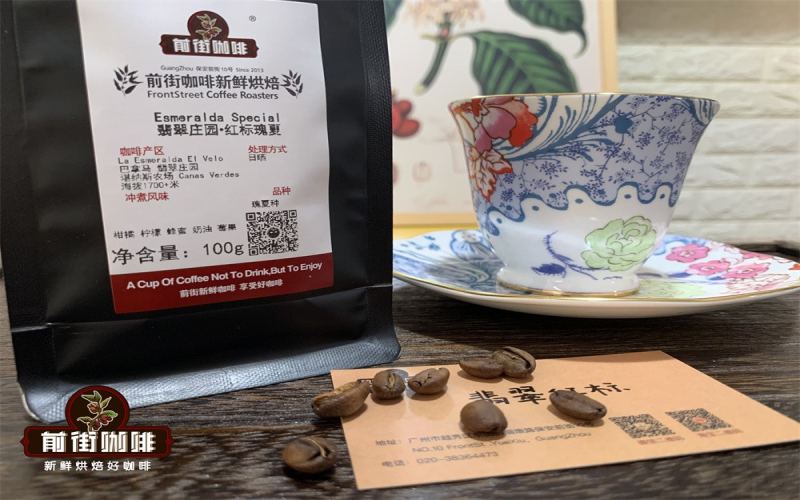
The Origin Story of Geisha Coffee | Why Is Geisha Coffee So Expensive? Which High-Quality Geisha Pour-Over Coffee Beans Are Worth Buying for Beginners
Geisha, due to its pronunciation resembling the Japanese word for "geisha," has acquired the nickname "geisha coffee." Geisha coffee beans are considered the brightest, richest, and most intensely aromatic coffee variety. Because they keep breaking world coffee price records, Geisha has become a specialty cof [more…]

7-Eleven Teams Up with Hennessy to Launch a Premium Tipsy Latte: Can Coffee Plus Alcohol Become the Next Big Trend?
The cross-industry fusion of coffee and alcohol is becoming a new industry trend. 7-Eleven's specialty coffee brand CITY PRIMA has partnered for the first time with the renowned French cognac house Hennessy to launch the "Specialty Tipsy Latte Combo," pairing specialty Ethiopian beans with a mini bottle of Hennessy V.S.O.P, allowing consumers to mix their own专属 liquor-infused flavor. This is not 7-Eleven's first foray into the alcohol-coffee arena; previously, its Beijing stores had already tested a self-service cocktail area. From chain brands to independent cafes, the "daytime coffee, nighttime alcohol" model is sweeping across the entire coffee market, and beverage brands are also increasingly moving toward coffee. This article will guide you through the specifics of this collaboration, the product background, and the new trends sparked by the collision of coffee and alcohol. [more…]
Gesha or Geisha? Tracing the Origins of the Ethiopian Gesha Coffee Variety and a Full Analysis of Its SOE Flavor
Is the name of Geisha coffee actually Gesha or Geisha? This question has long been debated in coffee circles. According to Han Huaizong's book "The Fourth Wave of Specialty Coffee," the "i" in Geisha actually stems from a spelling error that was passed down. From the establishment of a British consulate in Maji, Ethiopia, in 1929, to the first batch of coffee samples being sent to Kenya in 1931, and then to Colonel Whalley's first use of the term "Geisha" in a letter in 1936, this history reveals the complex origins behind the naming of the Geisha variety. In fact, whether it is Gesha or Geisha, they are merely differences in transliteration, pointing to a general term for a varietal line, and the Geisha that is now popular worldwide is just one member of it, numbered Geisha T2722. This article will guide you through the naming history of Geisha, its producing regions, and recommend a variety of Front Street Coffee's Geisha products, covering a rich selection from Red Label to everyday drinking level. [more…]
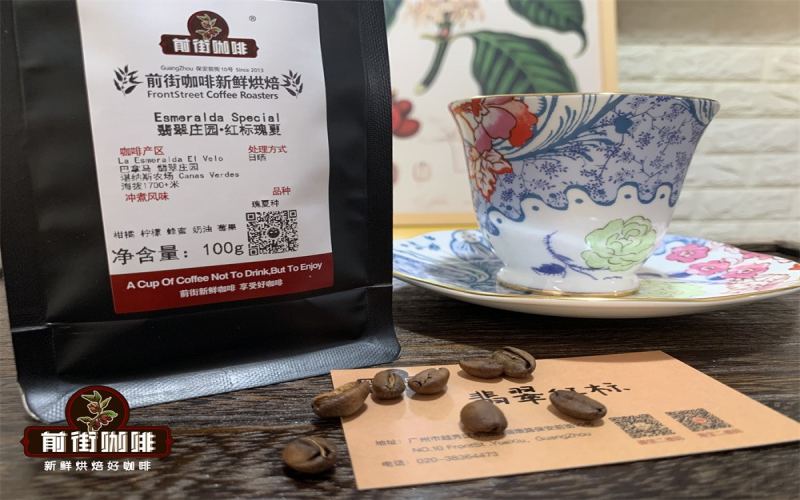
The Rise of Geisha Coffee and a Guide to Selecting Cost-Effective Geisha Beans
Geisha, called "艺妓 coffee" because its pronunciation resembles the Japanese word for geisha, has become a legendary variety in the specialty coffee world thanks to its extremely bright, rich aroma and auction prices that keep setting new records. From its wild collection in 1936 in the Geisha Mountains of Ethiopia, to its stunning debut at Hacienda La Esmeralda in Panama, and then to its sweep of major cupping competitions, Geisha took more than half a century to complete its rise from an obscure wild species to the king of coffee. This article will sort through Geisha's legendary record and flavor characteristics, and, in combination with Front Street Coffee's sales rankings, recommend three Geisha coffee beans with excellent quality and friendly prices, helping enthusiasts appreciate Geisha's captivating charm at a more reasonable cost. [more…]

Panama Kotowa Duncan Estate Natural Caturra Introduction | What Are Some Recommended Specialty Pour-Over Coffee Beans with Rich Fruity Aromas and Pronounced Sweetness?
This Panamanian Kotowa Estate specialty coffee bean boasts a rich tropical fruit aroma. In its dry fragrance, it presents delicate pink floral notes and intense fruity aromas, primarily fruits such as cranberry, dried fruit, and grapes. After breaking the crust and skimming off the grounds, the coffee greets the palate with flavors of ripe cherries, prunes, and honey-like [more…]
The Origin Story and Flavor Characteristics of Panama Geisha, and Three Geisha Coffees Worth Trying
Geisha is called "geisha coffee" because its pronunciation resembles the Japanese word for "geisha," and it is the most legendary variety in the specialty coffee world. It originated in the wild forests of Ethiopia, passed through Tanzania and Costa Rica, and finally shone brilliantly at Hacienda La Esmeralda in Panama, winning the Best of Panama cupping competition from 2005 to 2007 in succession and taking first place in the SCAA International Coffee of the Year cupping contest, with auction prices once reaching $130 per pound. Geisha green beans are blue-green in color and slender in shape, and are known for floral aromas and tropical fruit sweetness. Panamanian Geisha is extremely demanding regarding its growing environment, requiring high altitude, cloud and mist shading, and fertile soil. In addition to explaining the history and flavor characteristics of Geisha, this article will also recommend three high-quality and cost-effective Geisha coffee beans based on Front Street Coffee's sales rankings. [more…]
A Comprehensive Analysis of the Origins, Hacienda La Esmeralda Grading System, and Flavor Characteristics of the Geisha Coffee Variety
Geisha coffee is regarded as a legendary variety in the specialty coffee world. From the primordial forests of Ethiopia to the international auction stage in Panama, it has traveled a winding and remarkable path of dissemination. This article systematically sorts through Geisha's varietal origins, spread, and important estates, explains in detail the respective grading systems of Hacienda La Esmeralda and Geisha Village, and provides an in-depth analysis of Geisha coffee's typical flavor expression in dry aroma, wet aroma, and mouthfeel. Front Street Coffee, drawing on years of cupping and green bean comparison experience, will also share professional observations on the differences between Ethiopian Geisha and Panamanian Geisha, offering coffee lovers a complete guide to understanding the Geisha variety. [more…]
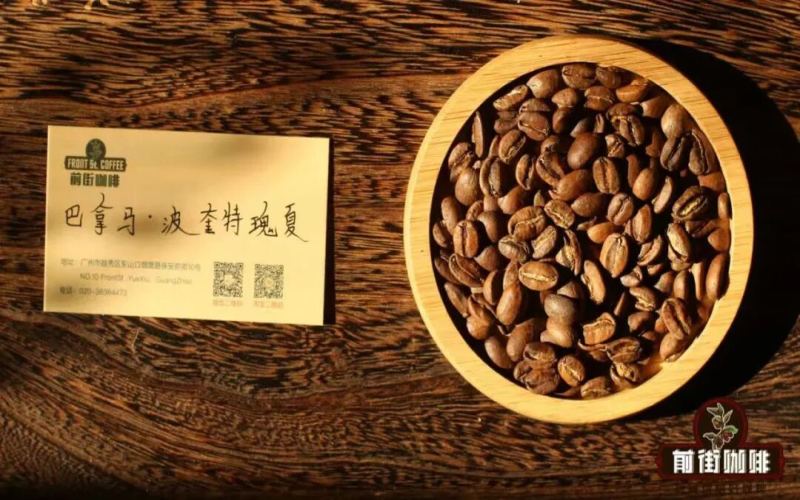
What Kind of Coffee Is Geisha?|Why Are Geisha Coffee Beans Always Associated with Panama? Which Coffee Regions Grow Geisha? What Makes Panamanian Geisha So Unique?
Many friends have noticed this phenomenon: whenever people chat about Geisha coffee, even though no specific region is mentioned, the first thing that often comes to mind is Geisha from Panama; or when talking about Panamanian coffee, they will directly assume it is the Geisha variety; some even go so far as to directly [more…]
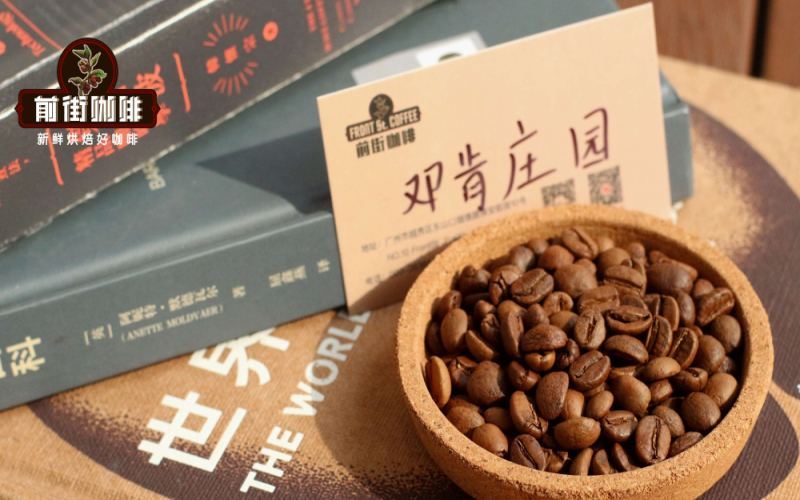
Exploring the Four Famous Estates Under Panama's Kotowa and a Flavor Analysis of Duncan Natural Caturra Pour-Over
The Kotowa family of Panama began writing their coffee legend in the late 19th century, and today they own seven farms, among which five are well known to coffee enthusiasts: Duncan Estate, Don K Estate, Crystal River Estate, Traditional Catuwha Estate, and Witch Estate. This article takes you through Kotowa's century-long history, uncovering the stories behind the estate names and the water-driven machinery in the processing plant, while focusing on the Duncan Estate sun-dried Caturra that Front Street Coffee has sourced. From dry aroma to first sip, we break down its floral notes, red grape, dried fruit, prune, and fermented character layer by layer, presenting the complete flavor profile under a medium-light roast. [more…]
Panama Kotowa Estate Coffee Beans: A Taste Exploration of Tropical Fruit Notes and a Century-Old Legacy
Panama's Kotowa Estate specialty coffee beans are renowned for their vibrant tropical fruit aromas, with dry fragrances revealing pink florals and intense fruit notes of cranberry, dried fruit, and grape. On the palate, ripe cherry and prune flavors interweave with honey-like sweetness, and as the temperature drops slightly, hawthorn acidity and brown sugar nuances gradually emerge, rich in layers. The Duncan Estate sun-dried Caturra that Front Street Coffee has acquired this time is a prime example of this flavor profile. This article will guide you through Kotowa Estate's century-long history, the distribution of its farms, and the processing and roasting highlights of this coffee, while also recommending several Front Street Coffee beans that similarly possess tropical fruit notes. [more…]
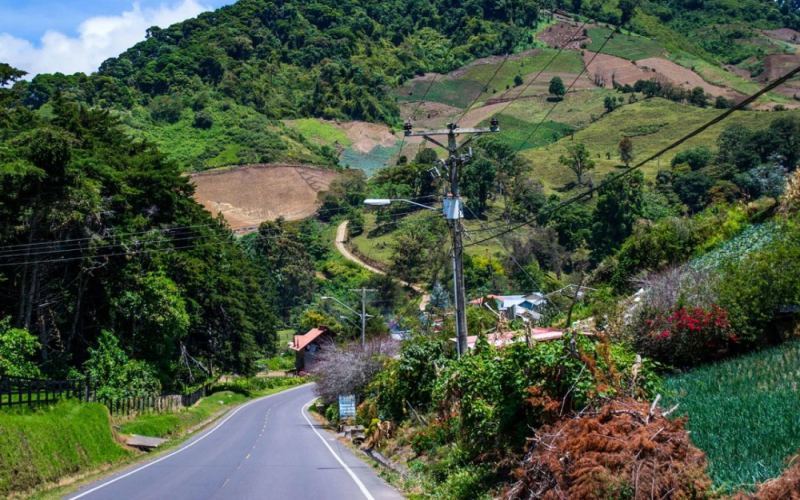
Exploring the Panama Catova Family: The Century-Long Legacy and Flavor of Duncan Estate Natural Caturra Specialty Coffee
In the dazzling galaxy of Panama's specialty coffee, the Kotowa family occupies an important place with its century-old heritage and outstanding quality. From the pioneering story of first-generation estate owner Alexander Duncan MacIntyre to the careful management of the current third-generation head Ricardo Koyner and his daughter Victoria, this family has witnessed the rise and glory of Panamanian coffee. This article will take you into Duncan Estate under Kotowa, to learn about its historical origins, terroir conditions, and processing techniques, and to deeply taste the sun-dried Caturra brought by Front Street Coffee—a bean that displays the rich layers of floral notes, red grapes, dried fruit, and prunes, showcasing the unique terroir charm of the Boquete producing region. [more…]
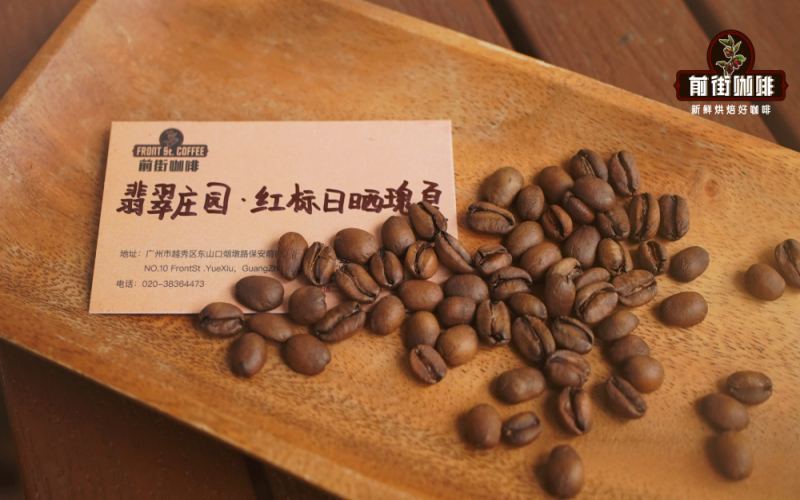
Analysis of the Flavor Characteristics of Panama Geisha Coffee: From the Hacienda La Esmeralda Brand Legend to the Geisha Village Grading System
Geisha coffee enjoys a stellar reputation in the specialty coffee world, known for its high price and exceptional quality. This article traces the origin and spread of the Geisha variety, from the Gori Gesha forest in Ethiopia to the rise of Hacienda La Esmeralda in Panama, and provides a detailed analysis of its stunning debut at the 2004 BOP competition. It also introduces the grading system of Gesha Village Estate (Gold Label, Red Label, Green Label, and Chaka series) as well as the three major tier classifications of Hacienda La Esmeralda (Blue Label, Green Label, and Red Label). Through comparative tasting, Front Street Coffee reveals the truth that Ethiopian Gesha Village and Panamanian Geisha, despite sharing the same name, are actually different varieties, and describes the flavor layers of Front Street Geisha coffee from dry aroma to mouthfeel. [more…]
Exploring Panama's Kotowa Estate: The Family Legacy and Flavor Profile of Duncan Estate Sun-Dried Caturra
In the Boquete production region of Panama, the Kotowa family has written a coffee legend spanning more than a century. From Canadian Alexander Duncan MacIntyre putting down roots there in 1925, to the current third-generation successor Ricardo Koyner running things together with his daughter Victoria, its Duncan Estate is famous for sun-dried Caturra. This article takes you through Kotowa's long history and the layout of its seven farms, and breaks down the cultivation and processing details of Duncan Estate's sun-dried Caturra. This batch of beans that Front Street Coffee has acquired this time presents, under a medium-light roast, layers of floral notes, red grape, dried fruit, and prune, while in cupping it further reveals the captivating charm of Kyoho grape, honey, and hawthorn. Follow Front Street's perspective and together experience the charm of specialty coffee nurtured by Panama's high-altitude volcanic soil. [more…]
The Difference Between Panama Geisha and Ethiopian Geisha: The Origins and Naming Code of the World's Most Expensive Coffee
Geisha consistently tops the list of the world's most expensive coffees, but many people ask: why is Panama always emphasized whenever Geisha is mentioned? Are Panama Geisha and Ethiopian Geisha actually the same thing? This article begins with the 1931 collection in Ethiopia's Kaffa forest, tracing the complete journey of Geisha as it passed through Kenya and Costa Rica, and was eventually discovered and made famous at Hacienda La Esmeralda in Panama through the Best of Panama (BOP) competition. It explains the origin of the T2722 designation, as well as the commercial logic behind the many "Geisha" names on the market. The article also explains how to distinguish origin by the spelling difference between Gesha and Geisha, and includes Front Street Coffee's purchasing advice and product recommendations. [more…]